+91 86678 35011
 044 4861 2886
Unexplained Infertility: Causes, Symptoms & Treatment
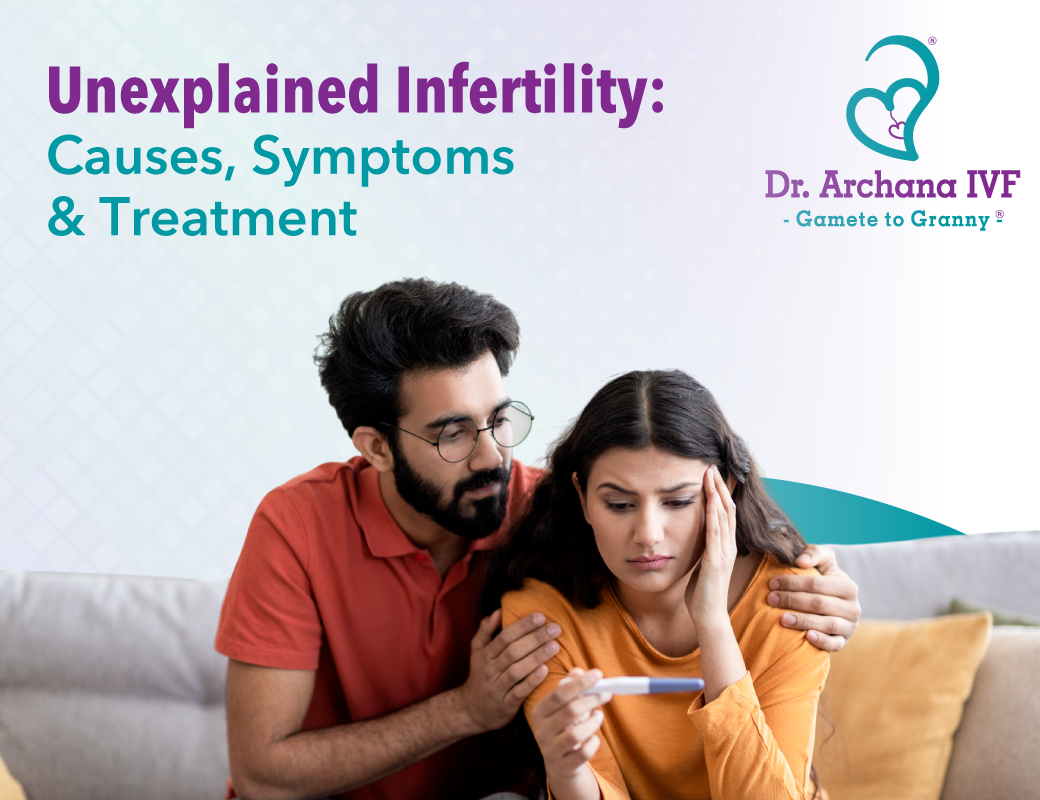
Unexplained infertility is the inability of a couple to conceive when all fertility tests come out normal. The causes are usually subtle and not detectable; there may be no symptoms at all. Treatments can range from simple lifestyle changes and fertility medications to more complex assisted reproductive technologies, such as IVF. Many couples overcome unexplained infertility with timely medical guidance and achieve pregnancy.
Introduction to Explaining Unexplained Infertility
Infertility is a very personal and sometimes overwhelming challenge. It is estimated to affect millions of couples worldwide. Global estimates have suggested that nearly 15% of couples experience infertility, and in 10–30% of these cases, no cause can be found. This latter condition is known as unexplained infertility.
Unlike infertility arising from clear medical issues, such as blocked fallopian tubes or low sperm count, unexplained infertility leaves couples searching for an answer. In the absence of a concrete cause, frustration could be the only positive thing, but that doesn’t mean there is no hope. Advances in reproductive medicine, combined with lifestyle interventions, have seen many couples facing this diagnosis achieve parenthood.
In this blog, we will discuss the causes, symptoms, and treatment options available for unexplained infertility, along with answering some questions and offering practical advice.
Causes of Unexplained Infertility
By definition, unexplained infertility means that common evaluations for infertility, such as testing ovulation, semen analysis, and imaging studies of the reproductive organs, are within normal limits, yet pregnancy does not result.
Possible Causes of Unexplained Infertility:
-
Poor Egg Quality: Even with normal ovulation, eggs released may not be healthy enough to be fertilized.
-
Subtle Sperm Dysfunction: Standard semen analysis cannot always detect microscopic defects in sperm function.
-
Endometrial Receptivity Problems: The lining of the uterus may look normal, but it may not support implantation.
-
Immune Factors: Sometimes, the body’s immune response interferes with fertilization or embryo development.
-
Influences of Lifestyle: Stress, poor diet, smoking, alcohol, and environmental toxins can all play unsuspected roles.
-
Age-Related Decline: Fertility declines naturally with age, and these subtle changes due to aging may not show up in routine tests.
Read our blog on Lifestyle & Fertility to understand how daily habits impact reproductive health.
Symptoms of Unexplained Infertility
The most challenging part of unexplained infertility is the fact that there are no clear symptoms. It does not give any apparent warning signs, unlike conditions like endometriosis or PCOS, which would raise suspicion.
Unexplained infertility is usually discovered when:
-
A couple has tried to conceive for 12+ months without success (or 6+ months if the woman is over 35).
-
Diagnostic tests turn out to be normal.
-
There is no history of reproductive disorders.
This often leads to delayed diagnosis, as couples might assume they just need more time.
Treatment Options for Unexplained Infertility
Lifestyle Modifications
In many cases, unexplained infertility is first managed with lifestyle changes.
-
Healthy Diet: A diet rich in antioxidants, omega-3 fatty acids, and essential vitamins can enhance reproductive health.
-
Stress Management: Practices like yoga, meditation, and counseling can help reduce stress, which affects fertility.
-
Healthy Weight: Both underweight and overweight individuals can experience infertility. Maintaining a correct BMI is essential.
-
Avoid Harmful Substances: Reducing alcohol, quitting smoking, and cutting back on caffeine can improve conception chances.
Fertility Medications
Doctors may recommend medications that induce ovulation, even if ovulation seems normal.
-
Clomiphene Citrate (Clomid): A medication to induce ovulation by stimulating hormone release.
-
Letrozole: Often prescribed as an alternative to Clomid, especially for women with certain hormonal imbalances.
-
Hormonal Therapies: These treatments help regularize cycles and improve egg release.
Assisted Reproductive Technologies (ART)
When lifestyle modifications and medications are not enough, ART offers further options.
-
Intrauterine Insemination (IUI): Sperm is introduced directly into the uterus, increasing the chances of fertilization.
-
In Vitro Fertilization (IVF): Fertilization of eggs outside the body, then transferred into the uterus.
-
ICSI (Intracytoplasmic Sperm Injection): A single sperm is injected into the egg, helping with subtle sperm problems.
-
Advanced Testing: Genetic screening of embryos can improve success rates.
For more information, visit Dr. Archana IVF.
Why Choose Dr. Archana IVF?
Dr. Archana IVF & Women Centre is a state-of-the-art fertility treatment facility dedicated to comprehensive women’s healthcare, with IVF as its core specialty. We understand the emotional and physical impact of unexplained infertility. Our team combines experience, expertise, and trust to provide customized care.
We offer:
-
Comprehensive diagnostic studies to uncover hidden factors.
-
Individualized care plans ranging from counseling on lifestyle modification to state-of-the-art ART.
-
Emotional support through counseling and patient communities.
-
Advanced technology with proven success rates.
To know more about us, visit Dr. Archana IVF.
To book an appointment, visit Book Appointment.
Conclusion
Unexplained infertility does not mean a diagnosis with no answers; it is not a dead end. With the right balance of medical expertise, lifestyle changes, and advanced treatments, many couples achieve successful pregnancies. The sooner you seek help, the better. A fertility specialist can guide you through the process, bringing hope and clarity when uncertainty seems overwhelming.
Book an appointment with our fertility experts today and take that first step toward parenthood.
FAQs
1. What is unexplained infertility?
Unexplained infertility occurs when a couple fails to conceive despite normal fertility test results.
2. How common is unexplained infertility?
It accounts for 10–30% of infertile couples worldwide.
3. Is unexplained infertility treatable?
Yes, treatments include lifestyle changes, fertility medications, and assisted reproductive technologies like IVF/IUI.
4. When should I see a doctor?
If you are under 35 and have not conceived after 12 months or over 35 and have not conceived after 6 months, it’s time to see a doctor.
5. Does unexplained infertility mean I’ll never conceive?
No, many couples conceive either naturally or with medical intervention.
6. Is IVF the only option?
Not necessarily. Some couples find success with lifestyle changes or IUI before considering IVF.
7. Is unexplained infertility caused by stress?
Stress alone is unlikely to be the sole cause of infertility but can negatively impact reproductive health.
Start Your Journey to Parenthood Today

World-class IVF treatment with compassionate care and proven success. Discover personalized fertility solutions designed for you.